GEO
How brands become sources AI systems cite.
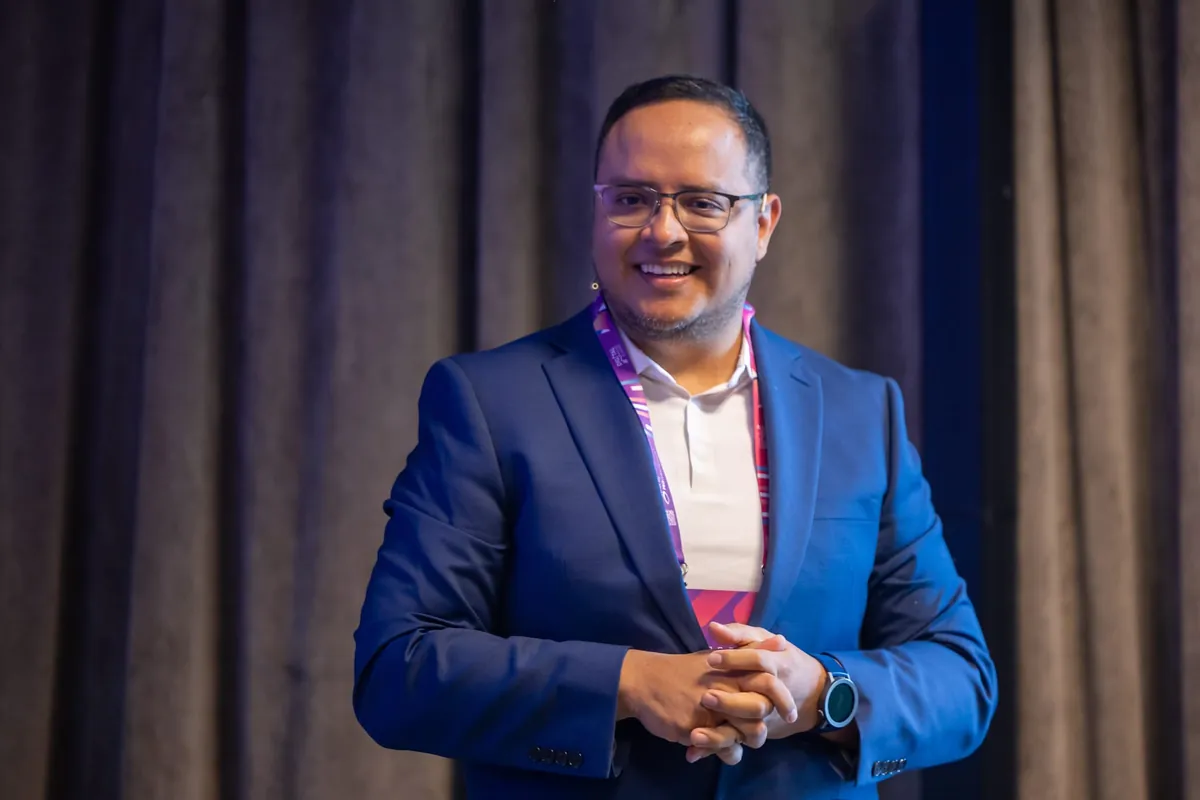
I research how people and AI systems discover, evaluate, and choose brands, then turn that evidence into decisions marketing leaders can defend. As an AI search keynote speaker and Senior Market Research Manager at Semrush, an Adobe company, I bring that work to B2B CMOs and senior marketing teams through research-led keynotes on GEO, AEO, and agentic search.
Funded, not free. Semrush funds my research and my stage time, so there is no fee to your event. I select on audience fit, not budget. Travel and logistics we sort out once it’s a match.
Book the integrated briefing for the full landscape, or choose the discipline closest to the decision your audience needs to make.
How brands become sources AI systems cite.
How brands become the direct answer to high-value questions.
How brands become readable, comparable and actionable for AI agents.
Built for CMOs and senior marketing teams that need a shared view of AI-search discovery, a defensible measurement model, and a clear next decision across brand, content, communications, demand, and SEO.
The briefing separates observed evidence from interpretation. It combines cross-platform prompt analysis, citation and source classification, current market research, and recurring questions captured from live marketing audiences.
Best for B2B marketing conferences, CMO forums, leadership offsites, and private executive briefings in the United States or Europe. Preparation starts with the audience, category, current AI-search maturity, and the decision leaders must make after the session. Examples and depth are adapted without changing the evidence standard.
Technical boundary: this format explains enough retrieval, citation, and measurement mechanics to support executive decisions. It is not a coding workshop, model-engineering session, or implementation clinic for retrieval systems. Events that need that depth should add a technical practitioner or a separate workshop.
Choose the change your audience needs to understand and the action they should be ready to take. Each signature keynote is adapted to the room, backed by current research, and designed for executive clarity.
| Keynote | What the room takes away | Duration and languages |
|---|---|---|
| GEO Is the New Ranking: What AI Engines Actually Cite | clarity on which layer of the GEO stack their team rebuilds first, and why. | 30–45 min EN / ES |
| The Zero-Click Economy: When Visibility Stops Looking Like Traffic | a discovery-to-outcome measurement model that keeps traffic in context alongside mentions, citations, and business outcomes. | 30–45 min EN / ES |
| Mentions vs. Citations: The Two AI Metrics Marketers Keep Confusing | a two-metric measurement model their analytics team can adopt as is. | 30–45 min EN / ES |
| How to Own a Topic in ChatGPT: Lessons from 50,000 Brands | a topic-ownership map for identifying open prompts, measuring consistency, and building a lead competitors cannot erase with one campaign. | 30–45 min EN / ES |
| When AI Agents Enter the Buying Journey | the five-layer framework for making content readable and actionable for AI agents. | 30–45 min EN / ES / RU |
What changes when ranking is replaced by citation. The four-layer GEO stack covers entity, evidence, structure, and distribution, giving CMOs a clear way to decide what their team should rebuild first.
Takeaway: clarity on which layer of the GEO stack their team rebuilds first, and why.
Read the Generative Engine Optimization definition → View full keynote details →Traffic still matters, but sessions alone no longer describe the complete discovery journey. This keynote gives leaders a scorecard for comparing rankings and sessions with mentions, citations, and business outcomes.
The room leaves with: a discovery-to-outcome measurement model that keeps traffic in context alongside mentions, citations, and business outcomes.
View full keynote details →AI can name your brand without quoting your site, and quote your site without naming your brand. Across the four engines, as few as 30% of mentioned brands are also cited. The two-metric model, why the metrics diverge by platform, and how to track and grow both instead of guessing from one blended “AI visibility” score.
The room leaves with: a two-metric measurement model their analytics team can adopt as is.
View full keynote details →Winning one prompt is not topic authority. A Semrush study of 50,000 brands across 1,094 categories reveals how consistent mentions become a defensible lead and why 85% of AI-search topics still have no clear owner.
The room leaves with: a topic-ownership map for identifying open prompts, measuring consistency, and building a lead competitors cannot erase with one campaign.
View full keynote details →AI agents are entering parts of the buying journey, while people and organizational controls remain accountable. This keynote helps leaders audit whether agents can find, interpret, evaluate, and act on approved information.
Takeaway: the five-layer framework for making content readable and actionable for AI agents.
Read the Agentic Search Optimization definition → View full keynote details →A practical review of where a brand appears in AI-generated answers, whether the brand or its sources are cited, and which evidence gaps deserve closer investigation.
The room leaves with: a scoped audit plan for comparing mentions, cited sources, and supporting evidence.
A structured comparison of how selected AI platforms surface brands and sources, with the scope defined for the audience, market, and questions under review.
The room leaves with: a platform review template for deciding where separate measurement or content choices are warranted.
A review of how selected answer experiences present responses and sources, followed by a publishing checklist for important buyer questions and cornerstone assets.
Takeaway: a repeatable way to assess whether an asset answers the intended question clearly and supports its claims.
Read the Answer Engine Optimization definition →A facilitated assessment of current practices across measurement, ownership, content, governance, and operating readiness, without assuming one path fits every organization.
The room leaves with: a shared view of current capability and a clearly owned next improvement to evaluate.
A plain-language briefing on Model Context Protocol, the information an organization may choose to expose through it, and the governance questions marketing should raise with product and engineering.
The room leaves with: a decision brief for exploring MCP relevance, ownership, permissions, and technical feasibility.
A scoped review of third-party sources that appear around the audience’s priority questions, and how editorial relevance, evidence, and relationships inform outreach choices.
The room leaves with: a prioritization method for evaluating credible third-party opportunities without promising placement or citation.
Need a narrower brief? These six specialist modules are available by request for technical audiences and private workshops. They remain separate from the five signature keynotes.
A full keynote and an unfiltered view of the room, so event teams can assess delivery, pacing, and audience command before making contact.
Full 2022 traffic-acquisition keynote for a live marketing audience. Watch with detailed talk summary.
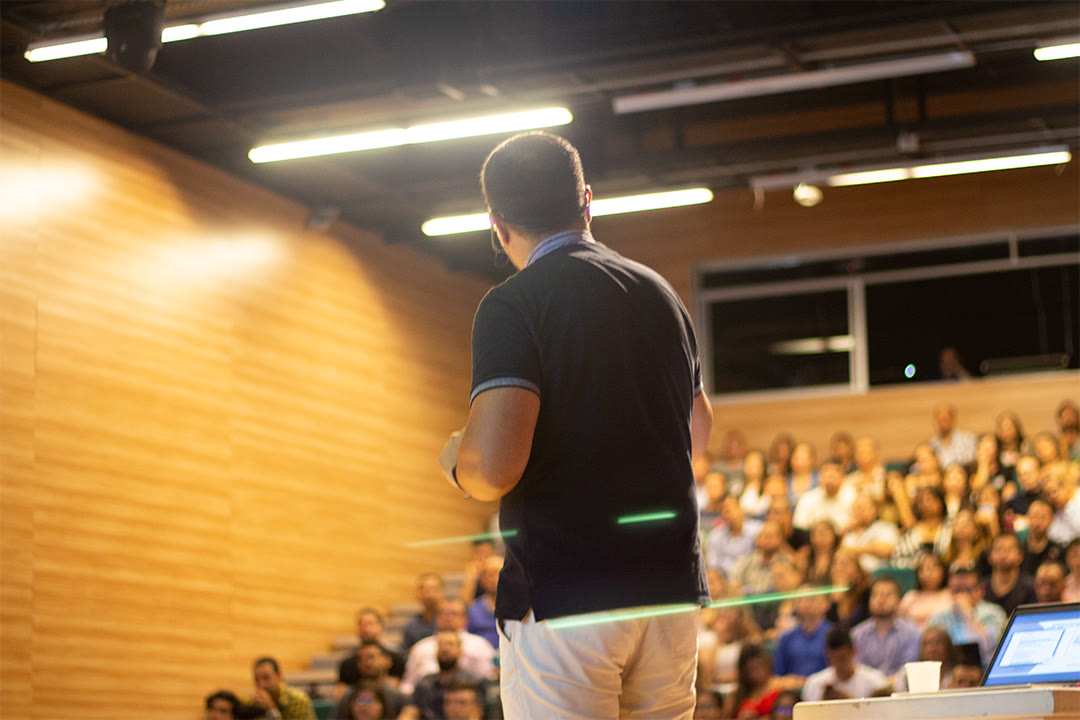
Currently confirmed engagements for 2026. For private events and corporate strategy sessions, send the invite form.
A non-exhaustive list of conferences and academic forums where the talks above (or earlier versions) have been delivered.
The sessions combine published research, Semrush data, and practical frameworks. From 100-person executive forums to 2,000+ delegate conferences, the content is built specifically for your audience. If you are still comparing options, use the AI search keynote vs AI keynote vs SEO keynote comparison, then apply the seven-criteria buyer guide. For the discovery side of the market, read how GEO helps keynote speakers get recommended by AI.
Every stat below is dated and sourced. These are the numbers I pull on stage when audiences ask “how big is this really?” Last updated May 2026.
AI Overviews surface more brands per query, inflating impressions while clicks collapse.
Visibility is up. Clicks are down. The gap between being seen and being chosen is widening.
Cited brands earn ~120% more organic clicks per impression than uncited brands on the same query.
The 2026 Index covers ChatGPT, Gemini, Google AI Mode and AI Overviews across 22 verticals (Jan–Apr 2026).
Mention–source overlap ranges from 30% on Gemini to 64% on Google AI Overviews, no single AI strategy wins all four.
Citation density swings ~5× by engine, ChatGPT cites 15.4 sources per answer, Gemini just 3.3.
81% of teams that unify SEO and AI search report more traffic or leads from AI, vs 36% of teams that run them separately.
Reference and review libraries dominate citations, AI cites Wikipedia 4.3× and IMDb 3.9× for every brand mention.
The majority of searches now resolve inside the SERP.