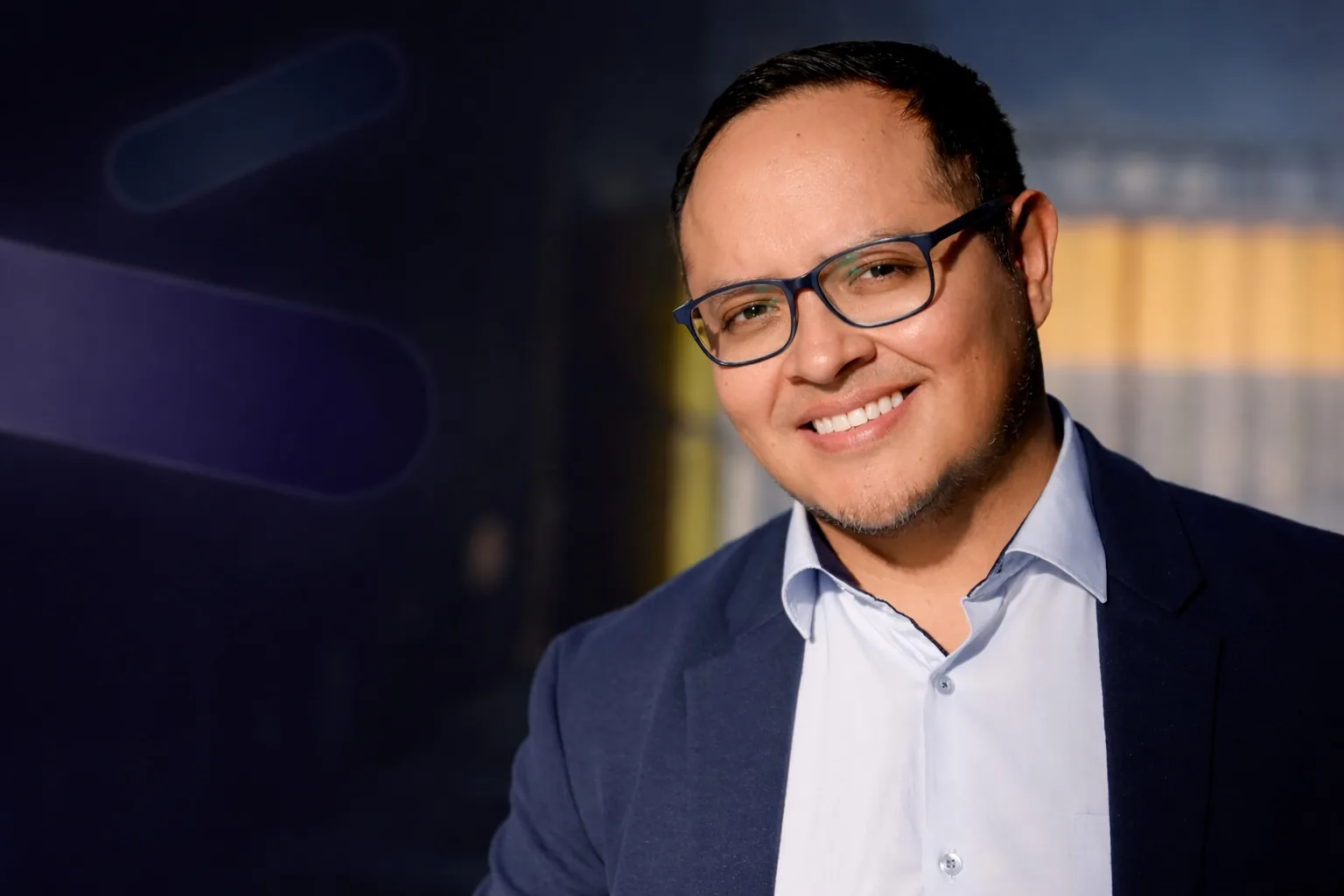
I research how people, and increasingly AI systems, discover, evaluate, and choose brands, then turn that evidence into decisions marketing leaders can defend. I am Senior Market Research Manager at Semrush, an Adobe company.
GEO is the new ranking. I research who gets cited.
BrightonSEOSMX AdvancedMozConDMWFSearch CentralSearchLeedsDigiMarConESOMARGeorgetown UniversityUniversity of GeorgiaUniversity College DublinOlivet Nazarene UniversityIAE Lyon
What changes in the room
From uncertainty to a board-ready direction.
A useful keynote does more than explain a trend. It gives leaders a shared language, a defensible framework, and a clear next conversation to have with their teams.
The audience arrives askingThey leave able to
Is the fall in organic traffic temporary?
→
Explain how AI answer visibility complements search rankings and traffic.
Does GEO replace SEO?
→
Separate what stays, what changes, and what needs a new owner.
What should our team do next?
→
Prioritize the signals, metrics, and experiments that matter now.
From built to found: SEO-ready websites with Lovable + Semrush
Jul 16, 2026Online · Webinarsemrush.com
Speaker
Jul
7
The New Search Landscape: What the Data Actually Shows
Jul 7, 2026Online · Webinarsemrush.com
Panelist
Jun
30
AI-Powered Keyword Research with Claude & Semrush
Jun 30, 2026Online · Webinarsemrush.com
Speaker
Jun
18
GEO Conference 2026
Jun 18, 2026Washington D.C., USAgeo-conference.com
Speaker
Jun
11
Croatia SEO Summit 2026
Jun 11–12, 2026Šibenik, Croatiacroatiaseosummit.com
Speaker
May
28
When AI Agents Do the Research, Semrush × iPullRank
May 28, 2026 · 19:00 CESTOnlinewith Michael King & Marcus Tober
Webinar
May
27
Semrush Breakfast, Jakobstad / Pietarsaari
May 27–28, 2026Jakobstad / Pietarsaari, Finlandgenerogrowth.com
Speaker
May
26
Semrush Breakfast, Vaasa
May 26–27, 2026Vaasa, FinlandOriginal Sokos Hotel Royal
Speaker
May
21
Ask Me Anything: Semrush MCP
May 21, 2026 · 19:00 CESTOnlineSemrush
Webinar
Apr
24
How AI Is Changing Online Discovery
2026Barcelona, SpainSemrush × Business Padel Tour
TED-style Talk
Apr
23
Surviving the Zero-Click SERP
2026Onlinesemrush.com
Webinar
Apr
22
How AI is Changing Online Behaviour
2026Onlinewatch.getcontrast.io
Webinar
Apr
15
Digital Marketing Europe
2026Lisboa, Portugaldigitalmarketingcon.eu
Keynote
Selected stage moments
What a conference programmer needs to see.
Selected photographs from keynotes, industry panels, and conference audiences.
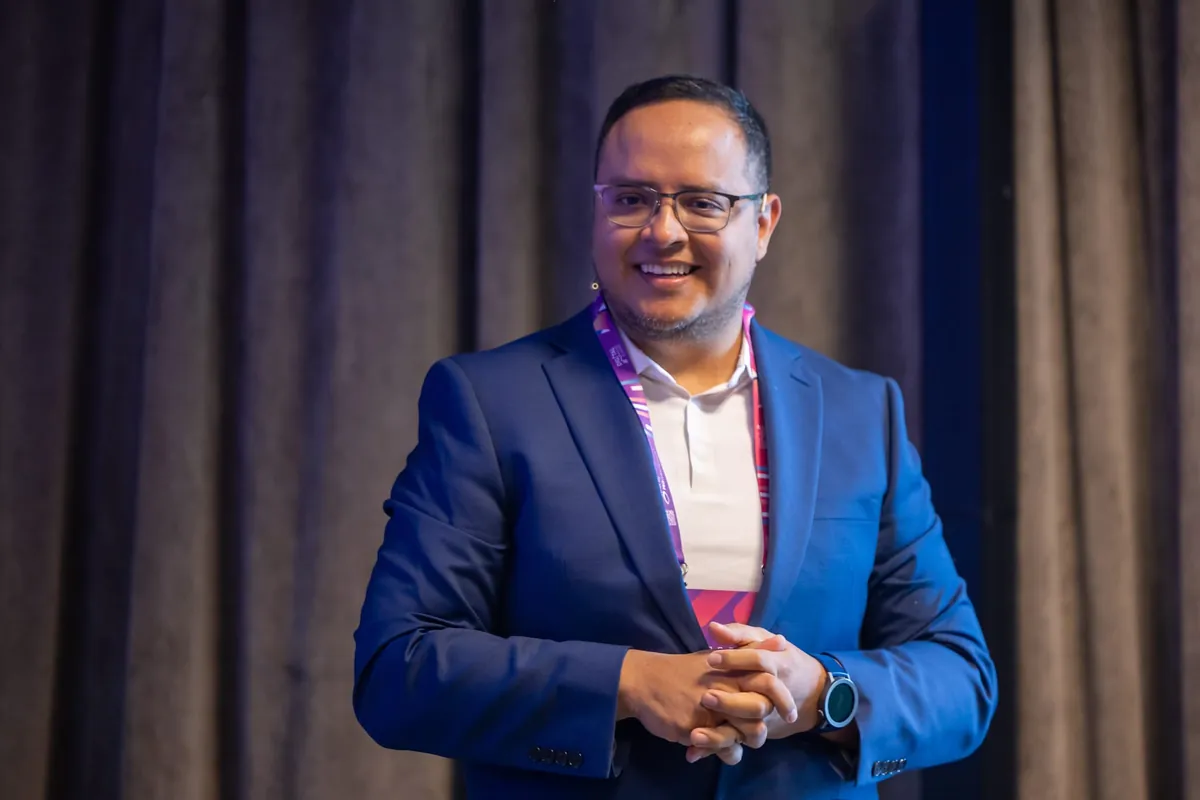
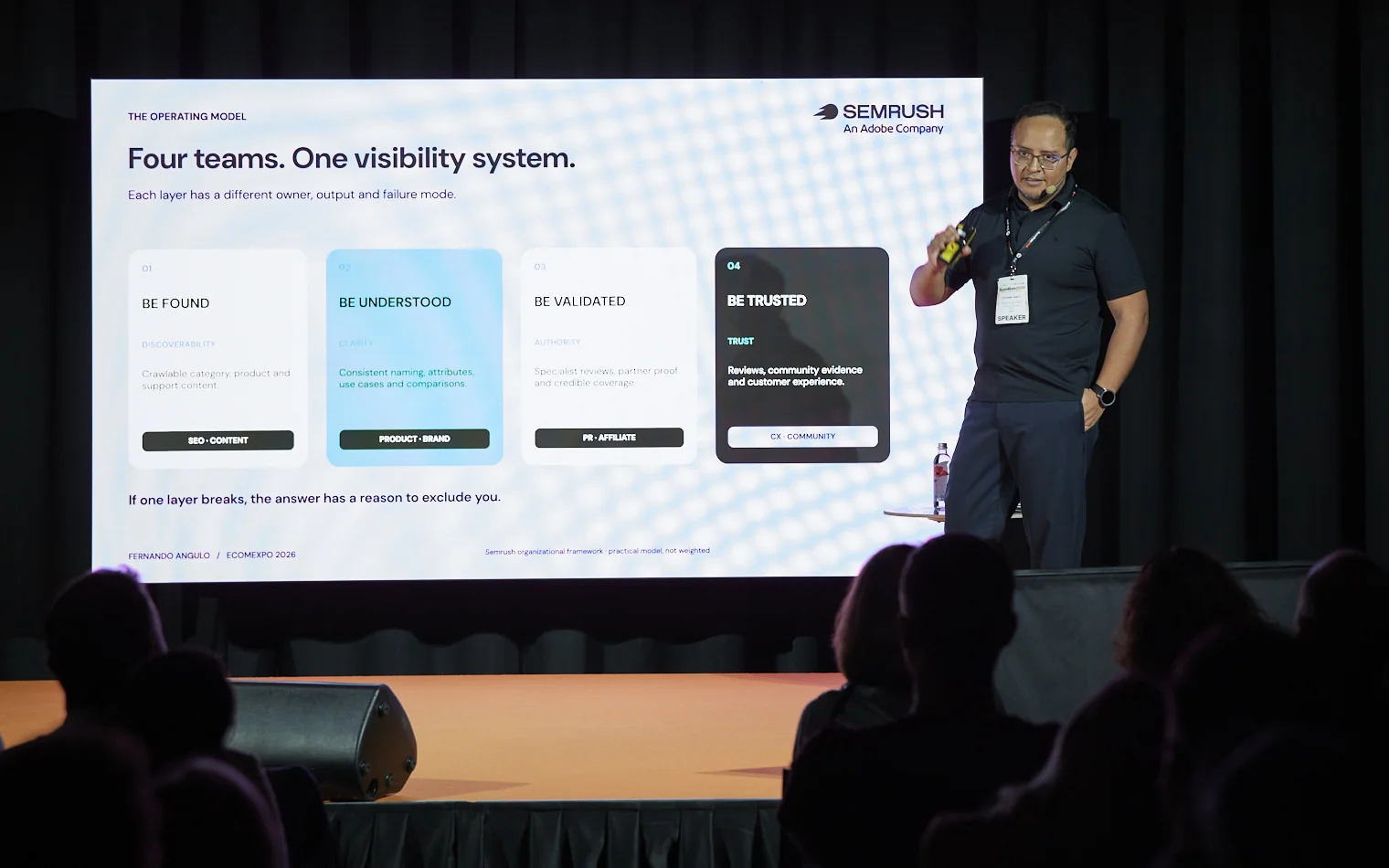
On stage
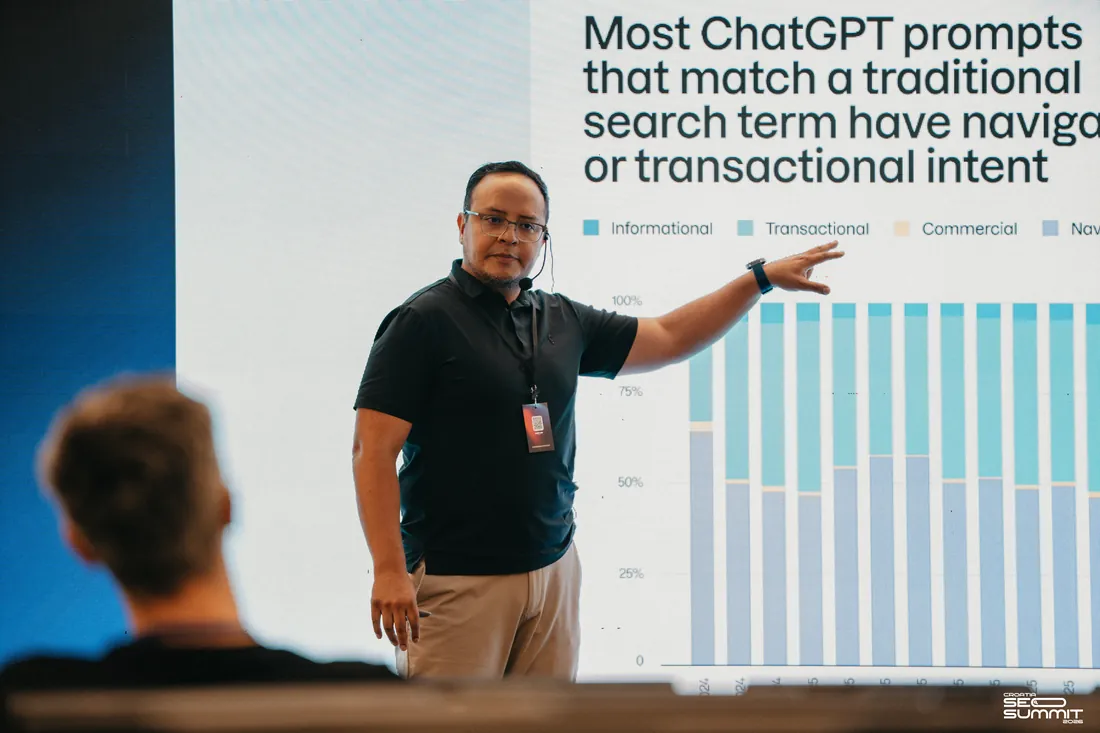
EcomExpo 2026 · Live keynote
Research to help marketing teams set priorities.
Fernando turns complex shifts in AI search into a clear narrative, practical frameworks, and decisions senior marketing teams can use the next morning.
Executive-ready delivery
Industry panels
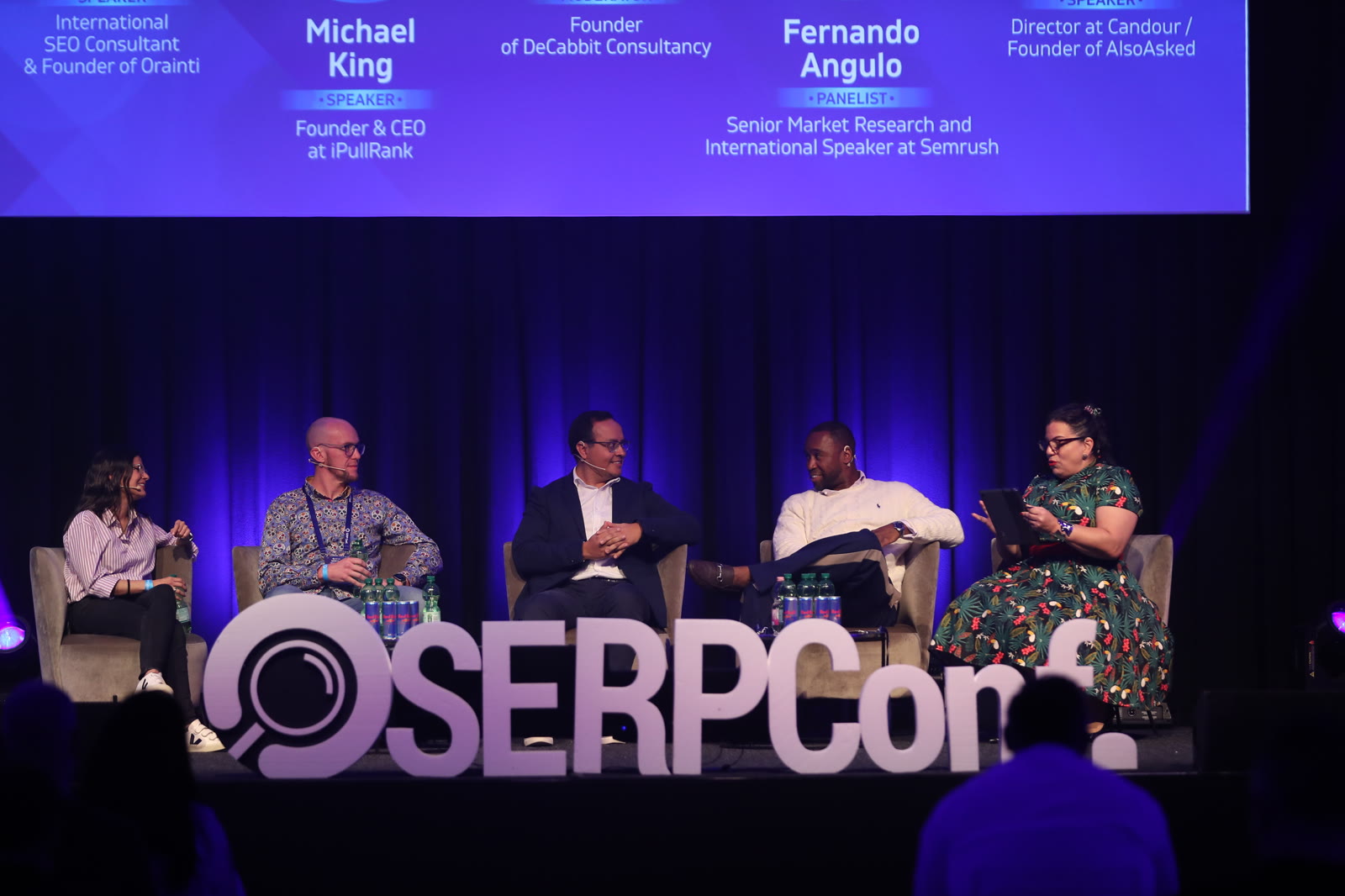
SERPconf · Industry panel
SERPconf panel
Conversations with search professionals about research and changes in the industry.
Global specialist panel
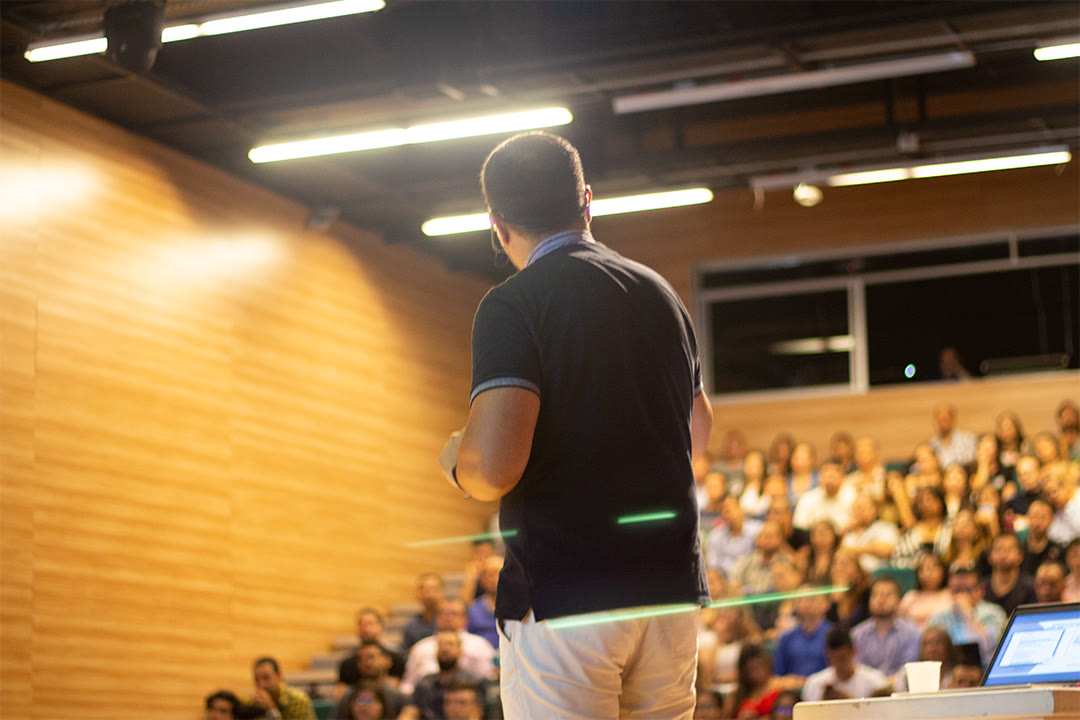
Audience proof
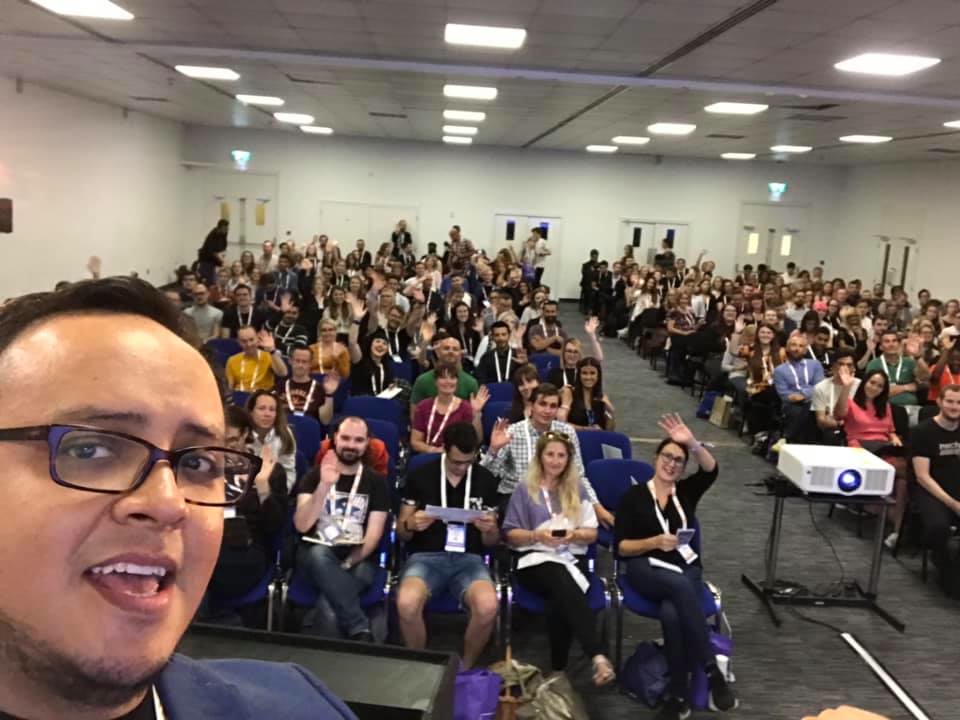
International conference audience
For marketing leaders and search teams.
Designed to engage CMOs, marketing leaders, and cross-functional teams without losing the evidence behind the argument.
Strategy across disciplines
Planning an AI-search session for a senior marketing audience?
Semrush funds Fernando’s research and stage time, so there is no speaking fee to your event. Invitations are selected on audience fit, seniority, and market, not budget.
Share of visits, on the same zero-based scale.Data and methodology+
Traditional-result clicks
Visit type
With a click
With an AI summary
8%
Without an AI summary
15%
Sample: 900 US adults; 68,879 unique Google searches. An observational study by Pew Research Center, not a causal estimate. Browsing data from March 2025, search results collected in April.
Field reports
Get the field reports
One or two evidence-backed reports per month on AI search, market intelligence, and the decisions marketing leaders need to defend.
Every figure below links to its source and keeps the original study scope visible. These are the numbers I use on stage when audiences ask “how big is this really?” Last verified September 2026.
126M
US AI-search prompts analyzed
The expanded AI Visibility Index tracked prompts from January through April 2026.
In Seer’s informational-query analysis, cited-brand segments had about 120% higher organic CTR than uncited segments. This is an observed association, not a causal estimate.
Source: Seer Interactive, April 2026 (53 brands; 5.47M tracked queries across the full cohort; January 2025–February 2026 actuals)
8%
Click-through on organic when AI summary is shown
US users clicked a traditional result in 8% of visits with an AI summary, versus 15% without one.
Each session connects published research and practical frameworks to decisions marketing leaders need to make.
01
GEO Is the New Ranking: What AI Engines Actually Cite
Best for: B2B CMOs, VPs of Marketing, and senior search leaders.
My four-layer diagnostic covers entity, evidence, structure, and distribution. It is a practitioner framework informed by published research, not a validated ranking formula.
The room leaves able to: choose which layer their team should rebuild first and defend that priority internally.
Mentions vs. Citations: The Two AI Metrics Marketers Keep Confusing
Best for: marketing executives, analytics teams, and search leaders.
AI can name a brand without citing its website, or cite a website without naming the brand. The two metrics require different measurement and growth strategies.
The room leaves able to: adopt a two-metric AI visibility model instead of one blended score.
How to Own a Topic in ChatGPT: Lessons from 50,000 Brands
Best for: category leaders, brand teams, and content executives.
What more than 50,000 brands across 1,094 US categories reveal about ChatGPT visibility. About 85% of the categories studied lacked a clear owner in January–June 2026.
The room leaves able to: map an open topic, measure ownership across prompts, and build a defensible lead.
Best for: enterprise marketing, product, and digital-strategy leaders.
When software browses, compares, and acts for the customer, brand content must become readable and actionable for agents, not only persuasive to people.
The room leaves able to: use a five-layer framework for making brand content agent-ready.
Learn how to turn raw market data into strategic decisions. Real frameworks from years of market intelligence work, competitive intelligence, search trend analysis, and AI-era forecasting.
The strongest fit is a senior B2B marketing audience that needs a clear, evidence-led briefing on what AI search changes next and what the team should do about it.
 On stage
 Industry panels
 Audience proof
 Watch full talk
