Explain why discovery can happen without a site visit.
The Zero-Click Economy: When Visibility Stops Looking Like Traffic
How should leaders explain search performance when discovery happens without a site visit? This keynote helps them update executive reporting with a scorecard that puts rankings and traffic alongside mentions, citations, and business outcomes.
Funded, not free. Semrush funds Fernando's research and stage time, so there is no fee to the event. Engagements are selected on audience fit rather than budget. Travel and logistics are discussed once an event is confirmed.
Business decisionUpdate executive reporting beyond sessions alone
Audience outcomeA discovery-to-outcome measurement scorecard
Research baseSparkToro analysis using Similarweb panel data
AdaptationMeasurement examples matched to the audience's reporting model
What changes after the session
Keep traffic in the model without treating it as the only signal.
Connect visibility measures to business outcomes in executive reporting.
A framework the room can use
Valuable for
CMOs, demand-generation leaders, analytics teams, and in-house SEO leaders.
Framework
Discovery-to-outcome scorecard.
Use this after the keynote to
explain performance when traffic falls, compare visibility with downstream outcomes, and update executive reporting.
The room leaves with
A broader measurement model that keeps traffic in context alongside mentions, citations, and business outcomes.
Three decisions, shown clearly
Three illustrative slides showing the visual direction for this keynote. The final deck is developed and adapted to your event.
How the argument develops
- Map discovery before and beyond a site visit.
- Inspect the 2026 US panel result and method.
- Rebuild the executive scorecard around outcomes.
Research foundation
In 2026, Less Than One-Third of Google Searches Still Send a Click
Scope: Similarweb desktop and mobile panel data for US Google searches from January through April 2026.
Evidence boundary: This is a US panel result. Cross-year trends are directional because panels and methods differ. Clicks and traffic still matter.
Source
Review the original study and its methodology to assess how the findings apply to your audience.
Read the primary sourceWho this keynote is for
A good fit for
Marketing and analytics leaders who report how search visibility contributes to demand and business results.
What it does not cover
A claim that traffic is obsolete or a workshop on direct-response attribution.
Research built for a live room
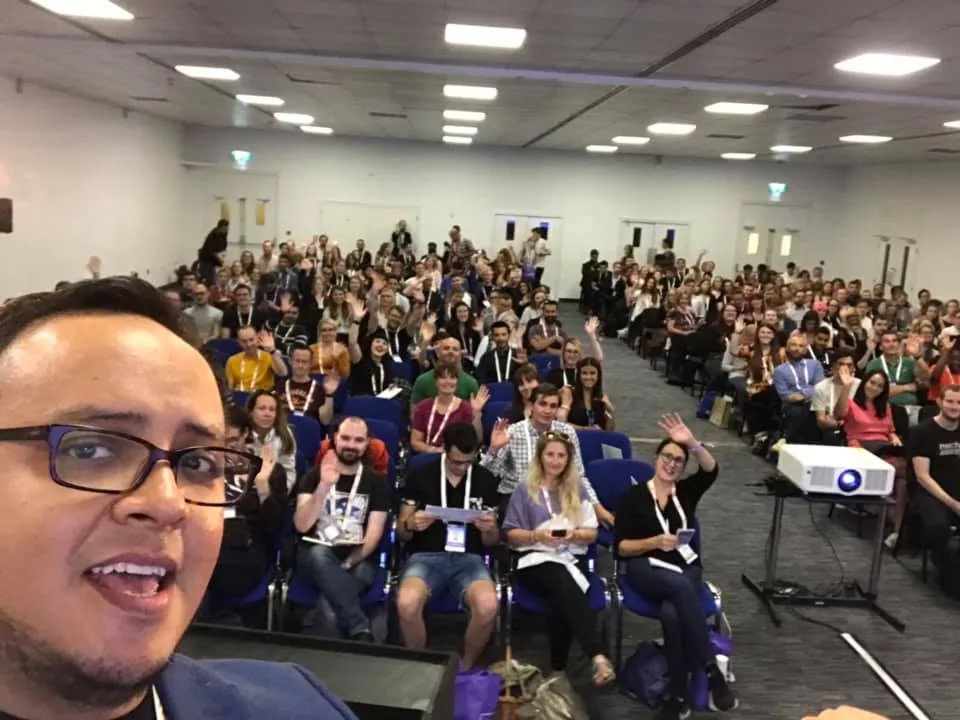
Speaker
View speaker profileFernando Angulo
I research how people, and increasingly AI systems, discover, evaluate, and choose brands, then turn that evidence into decisions marketing leaders can defend.
Senior Market Research Manager at Semrush, an Adobe company
Organizer resources
No email is required. The PDF is approximately 2.0 MB and includes approved bios, keynote topics, audience fit, formats and languages, selected appearances, contact details, and press-photo access.
Questions before you shortlist the talk
Will the session tell us to stop measuring traffic?
No. Traffic stays in the scorecard. The session adds signals needed to explain discovery and outcomes that sessions alone cannot show.
How is the session adapted for an event?
The decision, examples, audience seniority, market context, and evidence boundaries are reviewed before delivery. The core research claims remain sourced.
Compare the next decision
Help your audience explain performance beyond traffic.
Share your audience, event date, and the decision you want the session to help them make.
Invite me to speak