Define a mention and a citation as distinct signals.
Mentions vs. Citations: The Two AI Metrics Marketers Keep Confusing
An AI answer can name a brand without citing its website, or cite the website without naming the brand. This keynote helps marketing and analytics leaders report the two signals separately and decide which visibility gap their team should address.
Funded, not free. Semrush funds Fernando's research and stage time, so there is no fee to the event. Engagements are selected on audience fit rather than budget. Travel and logistics are discussed once an event is confirmed.
Business decisionReport brand presence and evidence attribution separately
Audience outcomeA named-and-cited decision matrix
Research baseThe public Semrush Ghost Citations study
AdaptationPlatform examples matched to the audience's category
What changes after the session
Read platform patterns without turning aggregates into brand-level claims.
Choose a different action for each named-and-cited quadrant.
A framework the room can use
Valuable for
Marketing executives, analytics teams, communications leaders, and search leaders.
Framework
Two-signal model plus the named/cited decision matrix.
Use this after the keynote to
separate brand presence from evidence attribution by platform and diagnose the missing signal.
The room leaves with
A board-ready language for reporting mentions and citations without blending them into one score.
Three decisions, shown clearly
Three illustrative slides showing the visual direction for this keynote. The final deck is developed and adapted to your event.
How the argument develops
- Separate the two measurable signals.
- Compare opposite platform patterns in one study.
- Use the decision matrix to select the next action.
Research foundation
The Ghost Citations Study
Scope: 3,981 domain appearances for 115 prompts across 14 countries and ChatGPT, Google AI Overviews, Gemini, and Google AI Mode. The public study summary does not report a single observation time window.
Evidence boundary: The percentages are appearance-level rates in this study. They do not measure conversion, market share, or every answer produced by either platform. Aggregate platform behavior does not predict every brand or answer.
Source
Review the original study and its methodology to assess how the findings apply to your audience.
Read the primary sourceWho this keynote is for
A good fit for
Marketing leaders who need search, communications, analytics, and brand teams to report AI visibility consistently.
What it does not cover
A brand-specific platform benchmark or one score that combines every type of AI visibility.
Research built for a live room
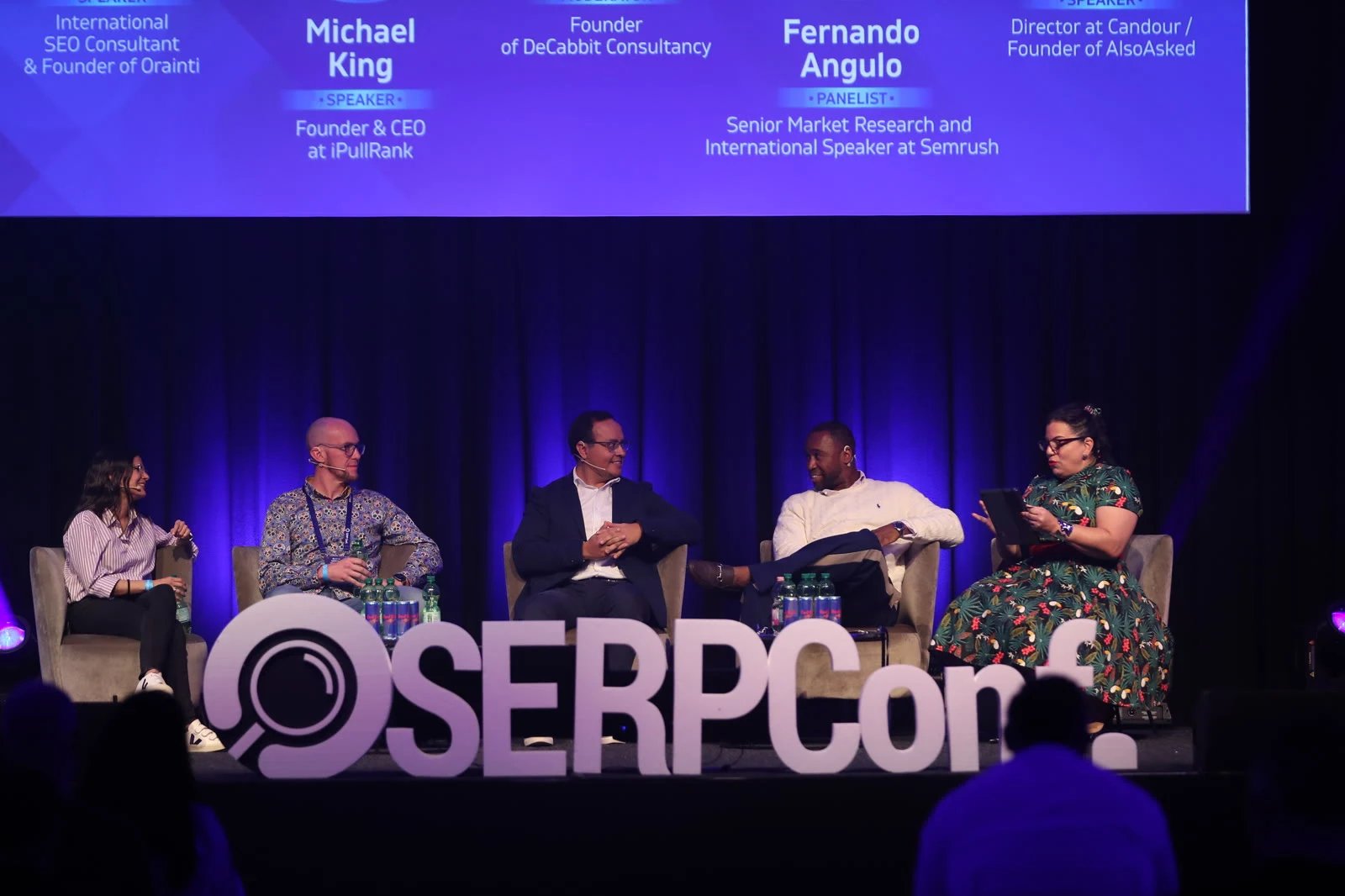
Speaker
View speaker profileFernando Angulo
I research how people, and increasingly AI systems, discover, evaluate, and choose brands, then turn that evidence into decisions marketing leaders can defend.
Senior Market Research Manager at Semrush, an Adobe company
Organizer resources
No email is required. The PDF is approximately 2.0 MB and includes approved bios, keynote topics, audience fit, formats and languages, selected appearances, contact details, and press-photo access.
Questions before you shortlist the talk
Are mentions and citations equally valuable?
They answer different questions. A mention shows brand presence; a citation shows evidence attribution. The business context determines how each should be interpreted.
How is the session adapted for an event?
The decision, examples, audience seniority, market context, and evidence boundaries are reviewed before delivery. The core research claims remain sourced.
Compare the next decision
Give your audience a shared way to measure AI visibility.
Share your audience, event date, and the decision you want the session to help them make.
Invite me to speak